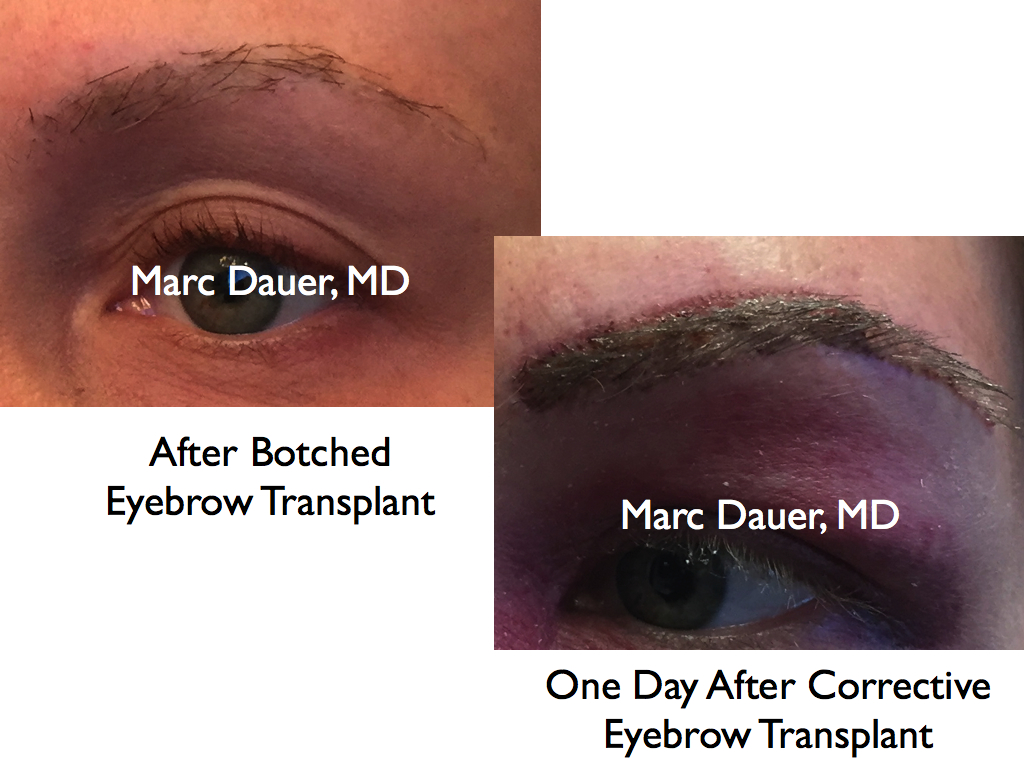
Beard transplant transplant works by relocating hair follicles from a donor area, typically the again or sides of the scalp, to areas with thinning or no hair, often identified as the recipient space. The process is usually used to deal with female and male pattern baldness (androgenetic alopecia) and entails the following steps:
1. Consultation:
Evaluation: A certified surgeon assesses the affected person's hair loss sample, donor hair availability, scalp situation, and general health.
Discussion: The surgeon discusses the targets, expected outcomes, potential dangers, and appropriate strategies based mostly on the patient's condition and preferences.
2. Anesthesia:
Local Anesthesia: Local anesthesia is administered to numb both the donor and recipient areas. The affected person remains awake during the process.
3. Hair Extraction:
Follicular Unit Extraction (FUE): Individual hair follicles are extracted from the donor space utilizing a specialised punch software. FUE leaves small, spherical scars which are sometimes not noticeable.
Follicular Unit Transplantation (FUT): A strip of skin containing hair follicles is removed from the donor space. The strip is then dissected into particular person follicular items for transplantation. FUT leaves a linear scar, which is often hidden by surrounding hair.
4. Recipient Site Preparation:
Micro-incisions: Tiny incisions are made within the recipient area utilizing a needle or blade. The surgeon carefully designs the hairline and determines the position of grafts to attain a pure look.
5. Hair Transplantation:
Graft Placement: Individual hair follicles are meticulously placed into the recipient websites, following the natural hair progress sample. The surgeon ensures that the angle, course, and density of the transplanted hair match the encompassing hair.
6. Post-Operative Care:
Dressings: The surgeon could cowl the recipient area with bandages or dressings immediately after the procedure.
Recovery: Patients are usually allowed to go house the same day. Recovery time varies, but most patients can resume normal actions within a couple of days to every week.
7. Hair Growth and Shedding:
Initial Shedding: Transplanted hair sometimes sheds within a quantity of weeks after the process. This shedding is a traditional part of the hair growth cycle.
New Hair Growth: New hair starts to develop from the transplanted follicles after a quantity of months, steadily changing into thicker and fuller over time.
Final Results: Full results, together with natural-looking hair growth, are visible around 12 to 18 months after the process.
eight. Follow-up and Maintenance:
Follow-up Visits: Patients have follow-up appointments with the surgeon to observe progress and tackle any issues.
Hair Care: Transplanted hair requires regular hair care, together with washing, styling, and trimming, to maintain a natural appearance.
A profitable hair transplant is decided by the surgeon's skill, proper approach, and the affected person's suitability for the procedure. It's crucial to consult with an experienced and board-certified surgeon to make sure a safe and satisfactory end result..